
Related posts

Cleansing is the first step in a skincare routine, but the type of cleanser you use can make a noticeable difference to how your skin... Continue reading

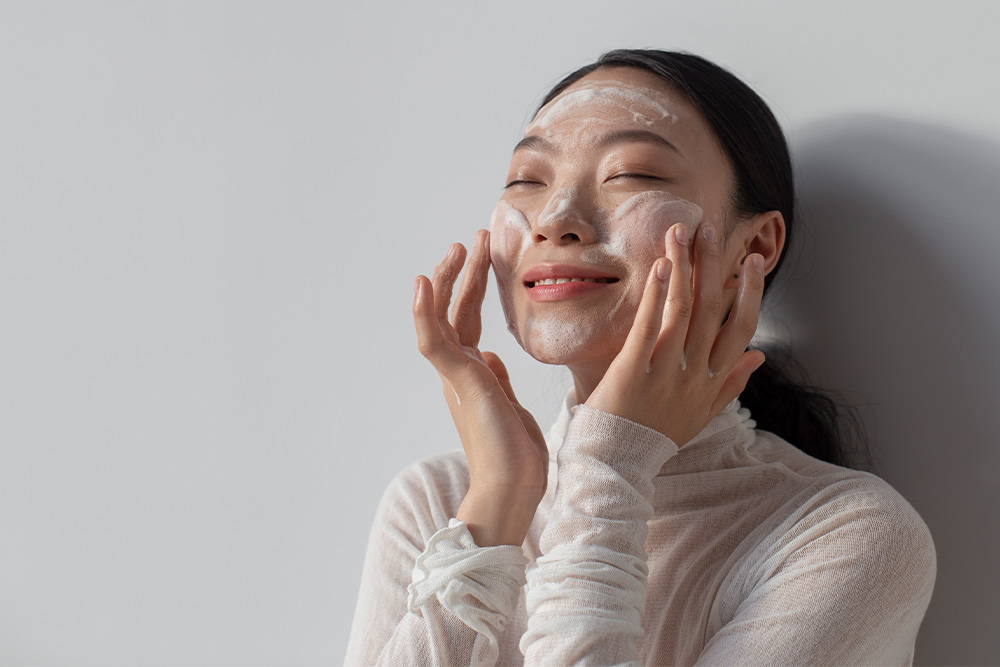
Your face feels clean after washing, but why does it sometimes feel tight or uncomfortable afterwards?
Cleansing is an essential part of any skincare routine, but the goal is not simply to remove as much oil and dirt as possible. If your skin regularly feels dry, tight or “squeaky” after washing, your cleanser may be playing a role.
Understanding how cleansing works can help you choose a formula that removes daily impurities while keeping your skin feeling comfortable.
A cleanser is designed to remove excess sebum, dirt, sweat, sunscreen residue and other daily impurities from the skin. However, cleansing can also affect some of the natural oils and lipids on the skin’s surface.
When a cleanser is too aggressive for your skin, you may notice a tight or dry feeling immediately after washing. This does not necessarily mean your skin is cleaner. It may simply mean that the cleansing process has removed more than your skin needs.
How often you cleanse, the water temperature you use and the overall formulation of your cleanser can all influence how your skin feels afterwards.
The skin naturally produces sebum, which helps keep the surface comfortable and reduces moisture loss. At the same time, the skin accumulates substances that need to be removed, including sweat, environmental impurities and excess oil.
A good cleanser needs to find a balance between the two.
It should effectively remove what your skin does not need without unnecessarily leaving the skin feeling stripped. This is why a strong foaming or “squeaky clean” sensation is not always an indication of a better cleanser.
The skin barrier helps retain moisture and protect the skin from external stressors. While cleansing is necessary for removing impurities, overly harsh cleansing can make the skin feel dry or uncomfortable.
If your skin often feels tight immediately after washing, especially when this happens consistently, it may be worth reconsidering your cleanser rather than simply washing your face less often.
For everyday skincare, the goal is not to avoid cleansing, but to find a cleansing formula that provides effective cleansing without unnecessary discomfort.
When choosing a cleanser, look beyond how much it foams or how “clean” your skin feels immediately afterwards.
Mild Cleansing Agents
A cleanser can effectively remove impurities without relying on an overly aggressive cleansing system. The combination of surfactants used in the formula can influence both cleansing performance and skin feel.
A Skin-Friendly pH
The skin has a naturally mildly acidic environment. Cleansers formulated with a skin-friendly pH may be more comfortable for regular use, particularly for people who experience dryness or sensitivity after cleansing.
Moisturising Support
Ingredients such as Glycerin and emollients can help support a more comfortable skin feel after cleansing. This can be particularly useful when cleansing is part of a twice-daily routine.
A Comfortable After-Feel
Perhaps the simplest test is how your skin feels afterwards. Your face should feel clean, but it does not necessarily need to feel tight, dry or “squeaky.”
Amino acid cleansers use surfactants derived from amino acids and are commonly formulated with a gentler cleansing approach.
Many are designed around a mildly acidic, skin-friendly pH and are often chosen for daily cleansing when maintaining skin comfort is a priority. They can be particularly appealing to people who dislike the tight or stripped feeling that some stronger cleansers may leave behind.
However, the term “amino acid cleanser” does not automatically determine whether a formula is suitable for everyone. The complete formulation—including the combination of cleansing agents, moisturising ingredients and overall pH—still matters.
A well-formulated amino acid cleanser is not defined by amino acid surfactants alone. The overall formulation should balance effective cleansing with a comfortable skin feel.
VikiLux Amino Luxe Cleanser combines amino acid-derived surfactants with other mild cleansing agents in a low-foaming formula. Glycerin and Olive Oil PEG-7 Esters provide additional moisturising support, while Swiss Flower Complex™, a blend of seven alpine plant extracts, complements the formula with skin-luminosity and pigmentation care.
This type of formulation reflects a broader approach to cleansing: removing daily impurities while still considering how the skin feels after washing.
The goal of cleansing is not to remove everything from the surface of your skin. It is to remove what your skin does not need while maintaining a comfortable balance.
If your face regularly feels tight after washing, take a closer look at your cleanser rather than assuming that a stronger cleansing sensation means better results. A well-formulated daily cleanser should leave your skin feeling clean, fresh and comfortable.
Looking for a gentler approach to your daily cleansing routine?

© 2025 VIKILux Pte Ltd (202436256N). All rights reserved.
Add comment